
Why Every Medical Specialty Should Screen for Sleep Disorders

For decades, sleep medicine has largely been viewed as a specialty reserved for pulmonologists, sleep physicians, and neurologists. But as research continues to reveal the profound impact sleep has on nearly every system in the body, one thing has become increasingly clear: Sleep disorders are everyone's concern.

Whether you're a primary care provider, cardiologist, endocrinologist, dentist, psychiatrist, pediatrician, nurse practitioner, physician assistant, or another healthcare professional, chances are you see patients every day whose underlying sleep disorder is contributing to—or even driving—their health concerns.
The challenge is that many sleep disorders remain undiagnosed. In fact, millions of Americans are living with untreated sleep conditions that affect their cardiovascular health, metabolic function, cognitive performance, mental health, and overall quality of life.
Because patients often present with symptoms rather than complaints about sleep itself, healthcare providers across every specialty are uniquely positioned to identify warning signs and guide patients toward appropriate evaluation and treatment.
Sleep Disorders Are More Common Than Many Realize
Sleep disorders are not rare. According to the American Academy of Sleep Medicine, obstructive sleep apnea alone affects millions of adults, yet a significant number remain undiagnosed. Beyond sleep apnea, clinicians regularly encounter patients with:
Circadian rhythm disorders
Pediatric sleep disorders
Many patients simply don't recognize that poor sleep is a medical issue worthy of discussion. Others normalize symptoms such as loud snoring, excessive daytime sleepiness, chronic fatigue, or difficulty concentrating. That makes routine screening even more important.
Sleep Affects Nearly Every Body System
Sleep is not simply a period of rest. During healthy sleep, the body regulates hormones, repairs tissues, consolidates memory, supports immune function, maintains cardiovascular health, and restores neurological function.
When sleep becomes fragmented or insufficient, virtually every organ system can be affected.
Untreated sleep disorders have been associated with:
Hypertension
Stroke
Heart disease
Type 2 diabetes
Obesity
Depression
Anxiety
Cognitive decline
Chronic pain
Immune dysfunction
Reduced workplace performance
Increased accident risk
Given these widespread effects, screening for sleep disorders should be viewed as preventive medicine rather than specialty care alone.
Every Medical Specialty Has Opportunities to Identify Sleep Disorders
One of the most exciting developments in modern healthcare is recognizing that sleep medicine is inherently interdisciplinary.
Primary Care
Primary care providers often serve as the first point of contact for patients experiencing symptoms such as fatigue, hypertension, headaches, or weight gain.
Simple screening questions about snoring, sleep quality, and daytime sleepiness can uncover previously undiagnosed sleep disorders.
Cardiology
Patients with the following have a significantly higher prevalence of sleep apnea.:
Resistant hypertension
Atrial fibrillation
Heart failure
Coronary artery disease
Routine screening can improve cardiovascular outcomes while supporting ongoing treatment plans.
Endocrinology
Poor sleep directly affects insulin sensitivity, glucose regulation, appetite hormones, and weight management.
Patients struggling with obesity or diabetes may benefit from sleep evaluations alongside traditional endocrine care.
Neurology
Sleep disorders frequently overlap with:
Stroke recovery
Epilepsy
Parkinson's disease
Headaches
Cognitive disorders
Recognizing these relationships can improve neurological care while addressing underlying contributors.
Psychiatry and Behavioral Health
Mental health and sleep share a bidirectional relationship. Depression, anxiety, PTSD, bipolar disorder, and ADHD frequently coexist with sleep disorders.
Addressing sleep often enhances psychiatric treatment outcomes.
Dentistry
Dentists routinely observe anatomical indicators associated with obstructive sleep apnea.
These may include (but are not limited to):
Bruxism
Airway crowding
Tongue scalloping
Enlarged tonsils
Worn dentition
Dental professionals play an increasingly important role in identifying at-risk patients and collaborating with sleep physicians.
Pediatrics
Children rarely complain of being sleepy. Instead, sleep disorders in children often appear as:
Hyperactivity
Behavioral concerns
Learning difficulties
Poor school performance
Growth concerns
Routine screening allows earlier intervention during critical developmental years.
Why Screening Doesn't Have to Be Complicated
One misconception is that sleep screening requires lengthy evaluations. In reality, several validated screening tools can be incorporated into routine clinical practice in just a few minutes.
Examples include:
STOP-Bang Questionnaire
Epworth Sleepiness Scale
Pediatric Sleep Questionnaires
Insomnia Severity Index
Even asking a few simple questions can reveal concerns that warrant further evaluation.
Consider incorporating questions such as:
How is your sleep?
Do you snore?
Do you feel rested when you wake up?
Has anyone noticed pauses in your breathing during sleep?
Do you struggle to stay awake during the day?
How many hours do you sleep each night?
Do you have difficulty falling or staying asleep?
These conversations often uncover issues patients never intended to mention.
The Cost of Missed Sleep Disorders
When sleep disorders go undiagnosed, the consequences extend beyond poor sleep.
Patients may experience years of:
Uncontrolled hypertension
Persistent fatigue
Reduced productivity
Mood disorders
Increased healthcare utilization
Medication dependence
Motor vehicle accidents
Poor surgical outcomes
Lower quality of life
Earlier diagnosis benefits both patients and healthcare systems by reducing complications and improving long-term outcomes.
Building Collaborative Care in Sleep Medicine
No single specialty owns sleep medicine. Instead, the most effective care often comes through collaboration in sleep medicine among physicians, dentists, advanced practice providers, behavioral health specialists, respiratory therapists, and sleep technologists.
By strengthening referral pathways and interdisciplinary communication, providers can ensure patients receive comprehensive care while improving outcomes across multiple chronic conditions.
Education Is the Key to Better Screening
Despite growing awareness, many healthcare professionals report receiving limited formal education in sleep medicine during medical, dental, nursing, or allied health training.
As evidence continues to evolve, ongoing education becomes increasingly important.
Clinicians benefit from learning:
Current screening recommendations
Diagnostic pathways
Treatment options
Oral appliance therapy
CPAP advancements
Behavioral sleep medicine
Pediatric sleep disorders
Emerging technologies
Interdisciplinary care models
Staying informed allows providers to confidently recognize sleep disorders and integrate screening into everyday practice.
Making Sleep Screening Part of Routine Care
Adding sleep questions to routine visits doesn't require major workflow changes.
Instead, it reflects a broader shift toward whole-person care.
Whether evaluating hypertension, obesity, anxiety, chronic pain, diabetes, headaches, or behavioral concerns, asking about sleep provides valuable clinical insight that can influence diagnosis, treatment, and long-term outcomes.
As our understanding of sleep continues to grow, screening for sleep disorders should become as routine as checking blood pressure or reviewing medications.
Frequently Asked Questions About Sleep Medicine
Why should providers outside of sleep medicine screen for sleep disorders?
Because sleep disorders affect nearly every body system, patients often present to primary care, cardiology, endocrinology, psychiatry, dentistry, pediatrics, or other specialties before seeing a sleep specialist.
Which patients should be screened?
Patients with hypertension, obesity, diabetes, cardiovascular disease, chronic fatigue, depression, anxiety, headaches, loud snoring, daytime sleepiness, or poor sleep quality are all appropriate candidates for screening.
How long does sleep screening take?
Many validated screening tools can be completed in just a few minutes and integrated into routine office visits.
What happens after a patient screens positive?
Depending on the patient's symptoms and risk factors, providers may recommend further evaluation, home sleep apnea testing, an in-lab sleep study, or referral to a qualified sleep medicine specialist.
Can dentists really identify sleep disorders?
Yes. Dentists frequently observe oral and airway findings associated with obstructive sleep apnea and often play an important role in screening and collaborative patient care.
Where can healthcare professionals learn more about sleep medicine?
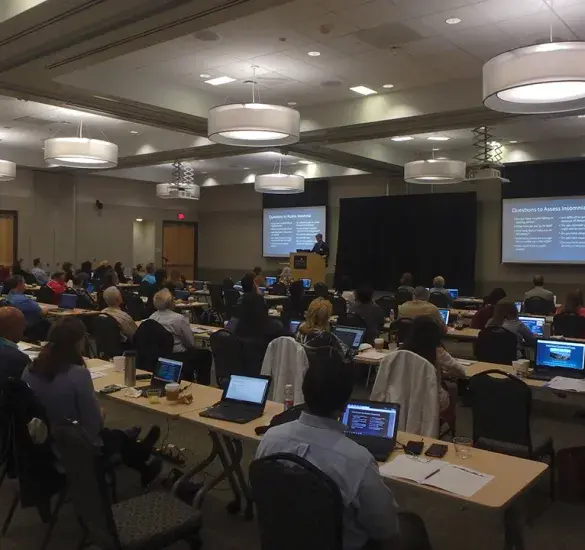
The SEC Sleep Conference offers comprehensive continuing education for healthcare professionals across multiple disciplines, covering the latest advances in screening, diagnosis, treatment, and interdisciplinary management of sleep disorders. Visit the SEC Dental Sleep Conference website for the dental track and the SEC Medical Sleep Conference website for the information on the medical track.
Continue Learning About Sleep Medicine at the 2027 SEC Sleep Conference
The field of sleep medicine is evolving rapidly, creating exciting opportunities for healthcare professionals across every specialty.
Whether you're new to sleep medicine or looking to expand your clinical expertise, the February 2027 SEC Sleep Conference offers evidence-based education designed for physicians, dentists, nurse practitioners, physician assistants, sleep technologists, behavioral health professionals, and other members of the healthcare team.
Attendees will gain practical strategies for screening, diagnosing, referring, and managing patients with sleep disorders while learning from nationally recognized experts in the field.
Join colleagues from across the country to explore the latest research, interdisciplinary treatment approaches, and innovations that are shaping the future of sleep medicine.
Register today at MedicalSleepConference.com or DentalSleepConference.com and become part of the movement to improve patient care through better sleep medicine education.




Comments