
Concussion Recovery and Sleep: The Overlooked Connection

When we talk about concussion recovery, the conversation usually centers on headaches, dizziness, screen time, school or work accommodations, and the gradual return to physical activity. Sleep may be mentioned, but often as a footnote: “Get plenty of rest.” While that advice is not wrong, but it barely scratches the surface.

Sleep is an active biological process that supports learning, memory, emotional regulation, immune function, and the restoration of the brain and body. A concussion can disrupt sleep at the very time healthy sleep is most needed. In turn, poor sleep can make headaches, fatigue, irritability, concentration problems, and other post-concussion symptoms feel worse. It can become a frustrating cycle: the injury interferes with sleep, disrupted sleep complicates recovery, and persistent symptoms make sleep even harder.
Understanding the relationship between concussion recovery and sleep matters across healthcare disciplines. It is another reminder that sleep does not exist in isolation. A patient’s neurological history, airway health, pain, medications, mental health, and daily functioning may all shape the clinical picture.
What Happens During a Concussion?
A concussion is a form of mild traumatic brain injury caused by a bump, blow, or jolt to the head or by a force to the body that causes the head and brain to move rapidly. “Mild” describes the category of injury, not necessarily the patient’s experience. Symptoms can meaningfully affect school, work, relationships, physical activity, and quality of life.
Common symptoms may include:
Headache or pressure in the head
Dizziness or balance problems
Nausea
Sensitivity to light or noise
Blurred or double vision
Feeling mentally slowed, foggy, or confused
Difficulty concentrating or remembering
Fatigue
Irritability, anxiety, sadness, or other emotional changes
Changes in sleep
Symptoms may appear immediately or develop over the hours or days that follow. Because a more serious brain injury can initially resemble a concussion, a suspected concussion should be evaluated by an appropriate medical professional. A worsening headache, repeated vomiting, seizure, increasing confusion, weakness or numbness, slurred speech, unusual behavior, one pupil larger than the other, or difficulty waking requires emergency care.
How Can a Concussion Change Sleep?
There is no single post-concussion sleep pattern. Some people struggle to fall asleep. Others wake repeatedly, sleep much longer than usual, feel overwhelmingly sleepy during the day, or find that their usual sleep schedule has shifted.
Post-concussion sleep concerns can include:
Insomnia or difficulty initiating sleep
Frequent nighttime awakenings
Unrefreshing or fragmented sleep
Sleeping more or less than usual
Changes in circadian timing
Increased need for naps
Restlessness during sleep
Worsening of a pre-existing sleep disorder
Several factors may contribute. The injury may affect brain systems involved in sleep-wake regulation. Headache, dizziness, anxiety, depression, pain, and reduced daytime activity can also interfere with sleep. Changes in routine, medications, late or lengthy naps, and increased time in bed may further disrupt the body’s normal sleep cues.
The experience can vary by age, medical history, injury characteristics, and pre-existing conditions. That is why sleep should be assessed as part of the broader recovery picture rather than treated as an afterthought.
Why Sleep Matters During Brain Recovery
Sleep is not simply the absence of activity. Across the night, the brain moves through sleep stages that support memory consolidation, learning, emotional processing, metabolic regulation, and tissue restoration. When sleep is shortened or repeatedly interrupted, daytime cognitive and emotional symptoms can intensify—even in someone who has not sustained a concussion.
After a concussion, poor sleep may overlap with many of the symptoms clinicians are already monitoring:
Fatigue can increase.
Headaches may feel harder to manage.
Attention and memory may suffer.
Irritability and emotional reactivity may worsen.
Light and noise sensitivity may feel more overwhelming.
The patient may have less capacity for a gradual return to daily activity.
Research has associated sleep disturbance after concussion with a greater likelihood of prolonged symptoms or a longer recovery. That does not mean one difficult night “stops” the brain from healing, nor does it mean sleep alone determines the recovery timeline. It does mean that persistent sleep problems deserve clinical attention.
CSMA explores this relationship further in Concussion Recovery and Sleep: Why Rest Is Critical for Brain Healing. For a pediatric perspective, Why Sleep Is Critical for Concussion Recovery in Kids explains how disrupted sleep may overlap with headaches, mood changes, school difficulties, and other symptoms in children and adolescents.
Concussion Recover and Sleep: Can Someone Sleep After a Concussion?
The old warning “Do not let them sleep” continues to worry many families. Current guidance is more nuanced.
Once the person has been appropriately evaluated and a medical professional has ruled out immediate warning signs requiring monitoring or emergency treatment, sleep is generally allowed and can support recovery. The Centers for Disease Control and Prevention advises letting a child sleep as usual after a concussion while maintaining a set bedtime routine and watching for new or worsening symptoms.
The crucial point is that sleep should never replace evaluation after a potentially serious head injury. A person who is increasingly difficult to wake or showing other danger signs needs urgent medical attention. Patients and caregivers should follow the specific instructions provided by the treating clinician.
Rest Does Not Mean Complete Inactivity Indefinitely
Another outdated idea is that concussion recovery requires days or weeks in a dark, silent room. Current concussion management commonly emphasizes a brief period of relative rest followed by a gradual, symptom-guided return to appropriate cognitive and physical activity under medical direction.
Sleep is part of that plan, but more time in bed is not always better. Excessive daytime napping may make it harder to sleep at night, and an irregular schedule can disrupt circadian rhythms. Recovery recommendations must be individualized, especially for patients with severe symptoms, multiple injuries, complex medical histories, or prolonged recovery.
Helpful sleep-supportive habits may include:
Keeping a consistent bedtime and wake time
Reducing bright screens and loud stimulation before bed
Sleeping in a cool, dark, quiet environment
Limiting caffeine, particularly later in the day
Using naps only as recommended and avoiding long or late naps
Gradually resuming daytime activity according to the medical plan
Tracking sleep patterns and symptoms to share with the care team
Discussing medications or supplements with a qualified clinician rather than self-treating
If insomnia, excessive sleepiness, snoring, gasping, or unrefreshing sleep persists, further evaluation may be appropriate. Sleep problems after a concussion are not something a patient simply has to “push through.”
Where Do Airway and Sleep Disorders Fit In?
Not every sleep problem following a concussion is caused solely by the concussion. A pre-existing condition such as obstructive sleep apnea, upper airway resistance, insomnia, restless legs syndrome, or a circadian rhythm disorder may have been present before the injury. The disruption of normal routines, and increased attention to fatigue, headache, or concentration, may make an existing problem more noticeable.
This distinction matters because telling every patient to “sleep more” does not address fragmented sleep caused by repeated breathing events or another untreated sleep disorder. A patient can spend nine hours in bed and still wake unrefreshed.
Questions worth considering as part of a comprehensive history include:
Did the sleep problem begin after the injury, or was it present beforehand?
Has a bed partner or caregiver noticed snoring, gasping, or pauses in breathing?
Does the patient wake with dry mouth or morning headaches?
Is there excessive daytime sleepiness despite adequate opportunity to sleep?
Has nighttime grinding, jaw tension, or facial pain changed?
Did the patient use positive airway pressure therapy or an oral appliance before the injury, and are they still using it consistently?
Have medications, pain, mood, or activity levels changed?
These questions do not establish a diagnosis, but they can help the care team decide whether sleep-focused evaluation belongs in the recovery plan.
What Healthcare Professionals Should Understand
Concussion recovery may involve professionals across neurology, primary care, sports medicine, rehabilitation, behavioral health, sleep medicine, dentistry, and other specialties. Each clinician should work within their professional scope while remaining alert to concerns that may require coordinated care.
Depending on the setting, a healthcare professional may encounter a patient reporting insomnia, excessive daytime sleepiness, new or worsened snoring, morning headaches, mood changes, cognitive fatigue, bruxism, jaw discomfort, or difficulty continuing a pre-existing sleep treatment after an injury. A clinician may also discover that a patient with persistent post-concussion symptoms has never been evaluated for a sleep disorder.
The appropriate response begins with listening and documentation. Confirm that the patient has received medical evaluation for the concussion. Ask about current restrictions, symptoms, medications, pre-existing sleep concerns, and the professionals involved in care. No single sleep strategy, medication, appliance, or procedure should be presented as a stand-alone treatment for the brain injury or the entire recovery process.
When relevant and with appropriate consent, collaboration may involve a physician managing the concussion, neurologist, sleep medicine physician, physical or occupational therapist, athletic trainer, behavioral health professional, dentist, and other members of the rehabilitation team. Appointments or treatment plans may need to be adjusted according to symptoms such as light sensitivity, sound sensitivity, headache, dizziness, cognitive fatigue, or limited tolerance for sustained activity.
For patients already receiving treatment for a sleep disorder, continuity matters. Changes to positive airway pressure use, oral appliance tolerance, behavioral sleep strategies, sleep quality, or daytime sleepiness should be communicated to the appropriate treating clinicians. The goal is not for one provider to solve every piece of the puzzle; it is for the team to see the same puzzle.
When Persistent Sleep Problems Need More Attention
Recovery is different for every patient. Some people improve relatively quickly, while others experience symptoms for weeks or longer. Persistent or worsening sleep problems should be discussed with the clinician managing the concussion, particularly when they interfere with daytime functioning or occur alongside worsening neurological, cognitive, or emotional symptoms.
A referral to a sleep medicine professional may be considered when there is ongoing insomnia, excessive daytime sleepiness, suspected sleep-disordered breathing, major changes in sleep timing, or unrefreshing sleep that is not improving. The evaluation may include a detailed sleep history, review of medications and other conditions, sleep diaries or validated questionnaires, and diagnostic testing when clinically indicated.
Early attention to sleep does not guarantee a faster recovery, but it may reveal modifiable problems, improve symptom management, and give the patient a more complete plan.
Better Sleep Knowledge Supports Better Collaboration
The connection between concussion recovery and sleep illustrates why healthcare professionals benefit from looking beyond the boundaries of a single discipline. Sleep influences neurological function, pain, mood, attention, healing, airway health, and quality of life. When it becomes disrupted, the effects rarely stay neatly contained in one category.
For healthcare professionals, expanding sleep and airway knowledge creates an opportunity to take better histories, recognize when a patient may need additional support, communicate more effectively across disciplines, and deliver care that reflects the whole patient.
Continue Your Education at the 2027 SEC Sleep Conference
Sleep and airway medicine continue to evolve, and meaningful participation requires more than memorizing a list of symptoms. It requires understanding physiology, recognizing clinical boundaries, and learning how professionals across disciplines can work together.
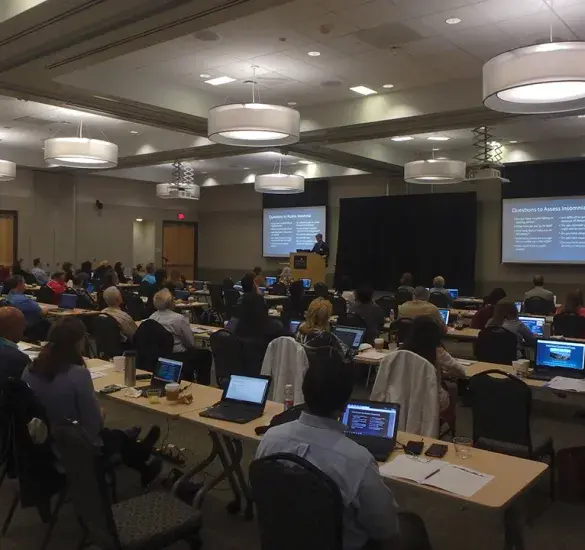
Join us for the 23rd Annual SEC Sleep Conference, February 4–6, 2027, in Houston, Texas. With dedicated dental and medical tracks, the conference brings together experienced educators and healthcare professionals for practical, interdisciplinary learning designed to help you grow and build on your airway and sleep medicine knowledge.
Whether you are new to sleep medicine or ready to deepen years of experience, you will gain insights you can bring back to your team and apply to more thoughtful, collaborative patient care.
Explore the 2027 SEC Sleep Conference, choose the dental or medical track that fits your work, and register to strengthen your understanding of the many ways sleep connects to health, recovery, and patient outcomes.



Comments